Essential Budgeting Tips for Bathroom Remodels
Creating a realistic budget is fundamental to any successful bathroom remodel. Start by determining the total amount you are willing to spend, then break it down into categories such as materials, labor, and unexpected costs. Allocating funds appropriately helps prevent overspending and keeps the project on track.
Consider using a spreadsheet to track expenses and compare prices from different suppliers. This will help you identify areas where you can save money, such as opting for less expensive materials or tackling some of the work yourself. Always set aside a contingency fund of about 10-15% of your total budget to cover unforeseen expenses that may arise during the remodel.
Choosing Affordable Materials for Your Bathroom
When remodeling a bathroom on a budget, selecting the right materials can significantly impact overall costs. Look for alternatives to high-end materials that provide similar aesthetics without the hefty price tag. For example, consider using vinyl flooring instead of tile or laminate countertops instead of granite.
Additionally, many manufacturers offer budget-friendly options that mimic the look of more expensive materials. Research local home improvement stores for sales and discounts, and consider purchasing gently used or surplus materials from renovation supply stores to further reduce costs.
Repurposing Existing Bathroom Fixtures
Repurposing existing fixtures can be an effective way to cut costs while maintaining a unique look. Instead of replacing everything, consider refinishing or painting cabinets, updating hardware, or installing a new sink and faucet to refresh the space without a complete overhaul.
For instance, if you have a vintage bathtub, a simple coat of paint and new fixtures can create a stunning focal point in your bathroom. Explore DIY tutorials for refinishing options that allow you to personalize your fixtures while saving money on replacements.
Planning Your Bathroom Layout for Maximum Efficiency
Efficient bathroom layouts can enhance functionality and make the most of limited space. When planning your remodel, consider the flow of movement and the placement of essential fixtures. Ensure that the toilet, sink, and shower are positioned for easy access and use.
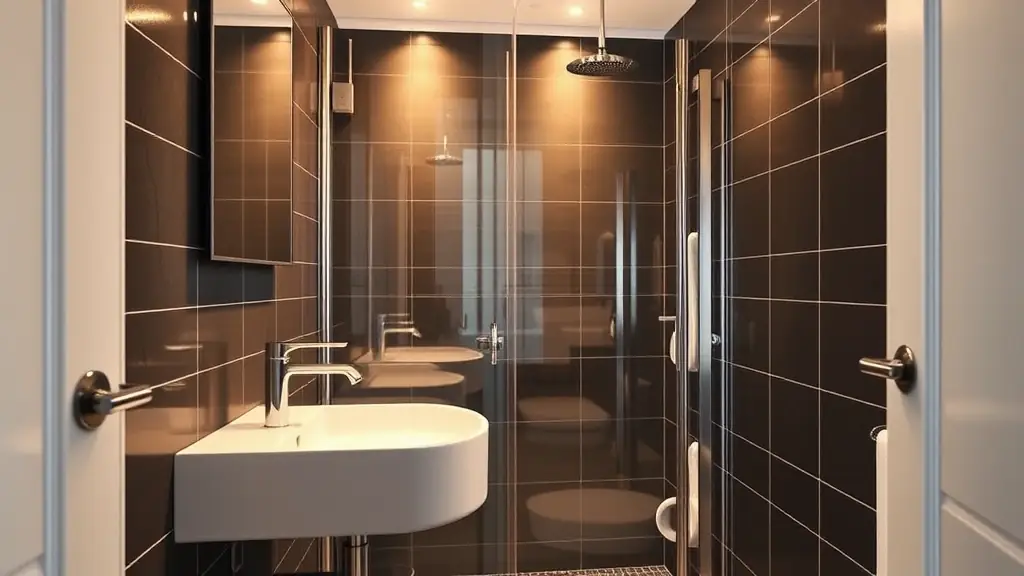
Utilizing space-saving solutions like corner sinks or wall-mounted toilets can help maximize the area, especially in smaller bathrooms. Additionally, consider vertical storage options to keep the space organized and clutter-free, which can enhance both aesthetics and usability.
Essential Budgeting Tips for Bathroom Remodels
Creating a realistic budget is fundamental to any successful bathroom remodel. Start by determining the total amount you are willing to spend, then break it down into categories such as materials, labor, and unexpected costs. Allocating funds appropriately helps prevent overspending and keeps the project on track.
Consider using a spreadsheet to track expenses and compare prices from different suppliers. This will help you identify areas where you can save money, such as opting for less expensive materials or tackling some of the work yourself. Always set aside a contingency fund of about 10-15% of your total budget to cover unforeseen expenses that may arise during the remodel.
Choosing Affordable Materials for Your Bathroom
When remodeling a bathroom on a budget, selecting the right materials can significantly impact overall costs. Look for alternatives to high-end materials that provide similar aesthetics without the hefty price tag. For example, consider using vinyl flooring instead of tile or laminate countertops instead of granite.
Additionally, many manufacturers offer budget-friendly options that mimic the look of more expensive materials. Research local home improvement stores for sales and discounts, and consider purchasing gently used or surplus materials from renovation supply stores to further reduce costs.
Repurposing Existing Bathroom Fixtures
Repurposing existing fixtures can be an effective way to cut costs while maintaining a unique look. Instead of replacing everything, consider refinishing or painting cabinets, updating hardware, or installing a new sink and faucet to refresh the space without a complete overhaul.
For instance, if you have a vintage bathtub, a simple coat of paint and new fixtures can create a stunning focal point in your bathroom. Explore DIY tutorials for refinishing options that allow you to personalize your fixtures while saving money on replacements.
Planning Your Bathroom Layout for Maximum Efficiency
Efficient bathroom layouts can enhance functionality and make the most of limited space. When planning your remodel, consider the flow of movement and the placement of essential fixtures. Ensure that the toilet, sink, and shower are positioned for easy access and use.
Utilizing space-saving solutions like corner sinks or wall-mounted toilets can help maximize the area, especially in smaller bathrooms. Additionally, consider vertical storage options to keep the space organized and clutter-free, which can enhance both aesthetics and usability.